
Female Genital Mutilation (FGM) stands as a haunting testament to the enduring injustice faced by countless girls and women worldwide. It is a barbaric practice, robbing innocent girls of their right to bodily autonomy, dignity, and future free from pain. FGM, entrenched in harmful gender norms and archaic traditions, inflicts irreversible physical and psychological scars, shattering dreams and leaving deep wounds that transcend generations.
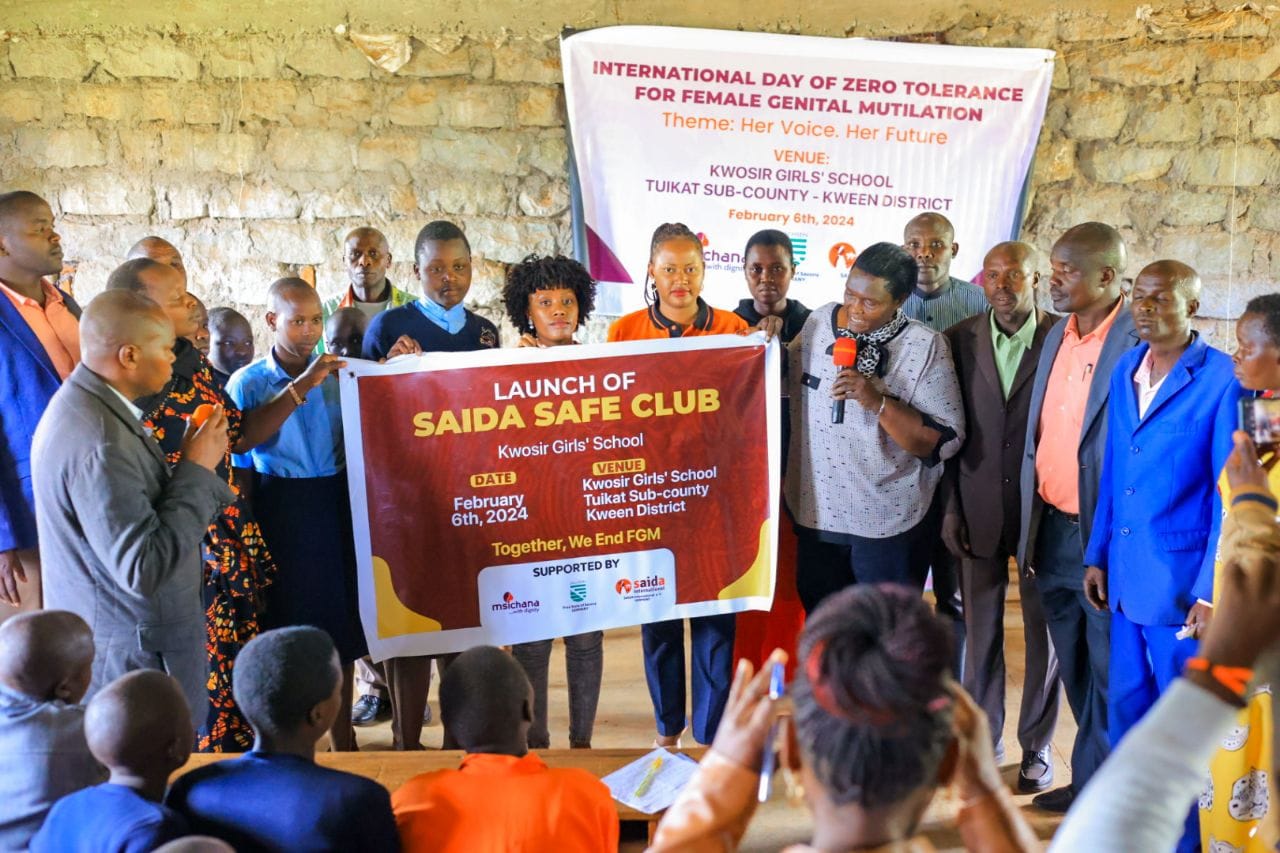
Combating Female Genital Mutilation (FGM) in Kween District: A Pathway to Sustainable Development
Female Genital Mutilation (FGM) stands as a haunting testament to the enduring injustice faced by countless girls and women worldwide. It is a barbaric practice, robbing innocent girls of their right to bodily autonomy, dignity, and future free from pain. FGM, entrenched in harmful gender norms and archaic traditions, inflicts irreversible physical and psychological scars, shattering dreams and leaving deep wounds that transcend generations. It embodies the epitome of cruelty, a grotesque manifestation of gender-based violence that condemns girls to a lifetime of agony and suffering. Yet, amidst the darkness, there is hope—a collective call to action to end this abhorrent practice once and for all. We must stand united, voices raised in defiance, to dismantle the chains of silence and ensure that every girl is spared the agony of FGM. Together, we can rewrite the narrative, forging a future where every girl is empowered, whole, and free to thrive without fear or prejudice.
Female Genital Mutilation (FGM) remains a deeply entrenched practice in many communities, including Kween District in Uganda. Despite being internationally recognized as a human rights violation and a severe form of gender-based violence, FGM continues to persist due to cultural, social, and economic factors. At Msichana Uganda, we are committed to ending FGM and promoting gender equality, health, and well-being in Kween District. Through our efforts, we aim to align with Sustainable Development Goals (SDGs) to create a more just and equitable society.
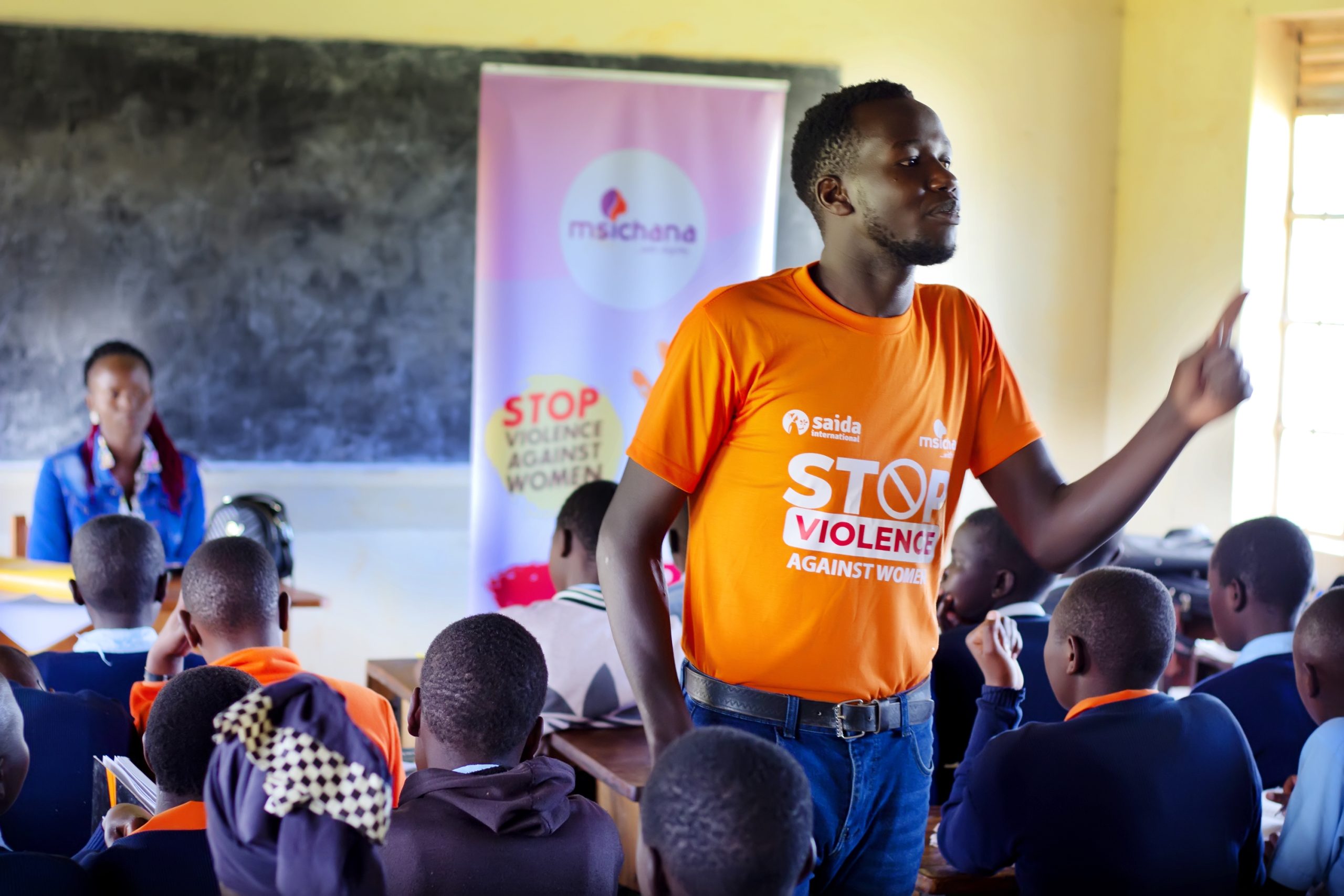
The Importance of Combating FGM and its Alignment with the SDGs
FGM directly contradicts several SDGs, including SDG 3 (Good Health and Well-being), SDG 4 (Quality Education), SDG 5 (Gender Equality), and SDG 10 (Reduced Inequalities). The practice jeopardizes the health and well-being of girls and women, often leading to severe physical and psychological consequences. Additionally, FGM denies girls their right to education and perpetuates gender inequality by reinforcing harmful gender norms and stereotypes. Moreover, FGM exacerbates social inequalities and discrimination, particularly against marginalized communities. By addressing FGM, we contribute to achieving these SDGs and fostering a more inclusive and sustainable society.
Together, we can end FGM in Kween District and create a future where girls and women are free from this harmful practice. Join us in our mission to promote gender equality, health, and well-being for all. Let us rise to the challenge and take action to protect the rights and dignity of girls and women in Kween District and beyond.